Tag: Edibles

  • Where flavour lives – An Introduction to Cannabinoids and Terpenes

    Where flavour lives – An Introduction to Cannabinoids and Terpenes

    Cooking with cannabis involves careful temperature control to preserve its active compounds, including cannabinoids and terpenes.


    Cannabinoids
    Cannabinoids are a group of chemical compounds, found primarily in the cannabis plant, that bind to cannabinoid receptors in the body and can have various effects, including psychoactive effects like those caused by THC.
    Here’s a more detailed breakdown.

    What are Cannabinoids?

    Cannabinoids are a class of biological compounds that interact with cannabinoid receptors in the body.
    They can be found in the cannabis plant (phytocannabinoids), produced naturally by the body (endocannabinoids), or synthesized in laboratories (synthetic cannabinoids).
    Common examples include THC (tetrahydrocannabinol) and CBD (cannabidiol).
    Cannabinoids exert their effects by binding to cannabinoid receptors, primarily CB1 and CB2, which are found throughout the body, including the brain and immune system.
    Cannabinoids can influence various physiological processes, including pain perception, appetite, mood, and inflammation.
    There are several different types of Cannabinoids, including:


    Phytocannabinoids Found in the cannabis plant (e.g., THC, CBD).
    Endocannabinoids: Produced naturally by the body (e.g., anandamide).
    Synthetic Cannabinoids Lab-made cannabinoids (e.g., spice, K2).
    Key Cannabinoids
    THC (Tetrahydrocannabinol) is the primary psychoactive compound in cannabis, responsible for the “high.”

    CBD (Cannabidiol)

    A non-psychoactive cannabinoid that may have therapeutic effects.


    Other Cannabinoids CBG (cannabigerol), CBN (cannabinol), CBC (cannabichromene), and others.


    Potential Uses and Effects
    Medical Applications
    Cannabinoids are being studied for potential therapeutic uses, such as pain management, nausea, and inflammation.
    Recreational Use
    Cannabis containing cannabinoids is used recreationally for its psychoactive effects.
    Potential Risks
    An informed consumer is a responsible consumer. Cannabinoid use can have potential risks, including dependence, anxiety, and cognitive impairment.
    Synthetic Cannabinoids
    Synthetic cannabinoids can be particularly dangerous, with potentially severe and life-threatening effects.

    Terpenes
    While much attention is given to the decarboxylation process, which activates cannabinoids like THC and CBD, the effects of heat on terpenes are equally important. Terpenes contribute to the aroma, flavour, and potential effects of cannabis-infused dishes, but they are highly volatile and sensitive to temperature. Understanding how heat affects terpenes and whether they can be reintroduced later in the cooking process can help preserve their benefits in cannabis-infused cuisine.


    How Heat Affects Terpenes
    Terpenes are aromatic compounds found in cannabis and many other plants, responsible for distinctive scents and potential therapeutic effects. However, they have relatively low boiling points, meaning they can degrade or evaporate when exposed to high temperatures. This degradation can alter the flavour profile of a dish and reduce the potential entourage effect—the interaction between cannabinoids and terpenes that influences the overall experience of cannabis consumption.
    Each terpene has a different boiling point. Some common examples include:
    Myrcene: ~167°C (332°F)
    Limonene: ~176°C (349°F)
    Linalool: ~198°C (388°F)
    Pinene: ~156°C (313°F)
    Beta-Caryophyllene: ~119°C (246°F)
    Cooking temperatures often exceed these limits. Baking, frying, or sautéing at high heat can destroy terpenes, diminishing the aromatic complexity and potential therapeutic benefits of the cannabis used. This is why lower-temperature cooking methods, such as sous vide infusion, are often recommended when working with cannabis.
    Best Practices for Preserving Terpenes
    To retain terpenes in cannabis-infused dishes, consider the following strategies:


    Low-Temperature Cooking

    Use gentle heat to infuse cannabis into fats like butter or oil. Keep temperatures below 160°C (320°F) to preserve more volatile terpenes.


    Slow Infusion Methods

    Sous vide, double boilers, and low-temperature simmering allow for controlled heating, reducing terpene loss.


    Short Cooking Times

    Prolonged exposure to heat can cause terpene evaporation, so adding cannabis oil or butter toward the end of the cooking process can help retain its properties.


    Covered Cooking

    Using lids on pots or baking dishes can help trap some volatile compounds that would otherwise evaporate.


    Can Terpenes Be Added Back Later?
    Since heat destroys some terpenes, supplementing them later in the cooking process can be an effective way to restore aroma, flavour, and potential effects. This can be done in several ways:


    Adding Fresh Herbs

    Many terpenes found in cannabis also exist in other plants. For example, adding fresh basil (rich in myrcene) or citrus zest (high in limonene) can enhance the terpene profile of a dish.


    Terpene Isolates

    Some companies offer food-grade terpene extracts derived from cannabis or other plants. A few drops of these can be added to sauces, dressings, or even beverages after cooking.


    Aromatics in Garnishes

    Adding cannabis-infused oils, fresh cannabis leaves, or terpene-rich ingredients as garnishes can bring back lost flavours.

    Heat can significantly impact terpenes in cannabis, altering the flavour and potential effects of infused foods. Using low-temperature cooking techniques and adding terpenes later in the process can help preserve these valuable compounds, enhancing the final dish’s aroma and taste. Whether through natural sources like herbs or terpene isolates, reintroducing terpenes can elevate the culinary experience of cannabis-infused cuisine.

    As always, consume responsibly. Don’t get lifted and drive. Respect the cannabis laws of your jurisdiction.

    Citations
    “Terpene Boiling Points and Temperature.” True Labs for Cannabis, .

    “Terpene Boiling Points (And Why It Matters).” Finest Labs, .

    “How to Preserve the Terpenes & Aroma in Cannabis.” Leafly, .

    “How to Preserve Terpenes in Your Cannabis Oil Extraction.” Holland Green Science, .

    “How to Harvest, Dry and Cure Cannabis to Preserve Aromas.” Cali Terpenes, .

    “Terpene Temperature Chart: Calculating the Boiling Points.” ExtraktLAB, .

    “Cooking with Terpenes: A Tutorial, with Recipes.” Modern Farmer, .

  • Chilled Cannabis-Infused Key Lime Pie

    Chilled Cannabis-Infused Key Lime Pie


    No baking here. Okay, maybe a little…

    Ingredients

    For the crust
    1 ½ cups (170 g) graham cracker crumbs
    6 tbsp (85 g) unsalted butter, melted
    2 tbsp (25 g) granulated sugar

    For the filling
    1 package (8 oz / 225 g) cream cheese, softened
    1 can (14 oz / 300 mL) sweetened condensed milk
    ½ cup (120 mL) key lime juice (or regular lime juice)
    1 tbsp (15 mL) lime zest
    1 tsp (5 mL) vanilla extract
    1–2 tbsp (15–30 mL) cannabis-infused heavy cream (see below)

    For the cannabis-infused heavy cream
    ½ cup (120 mL) heavy cream
    ½–1 gram decarboxylated cannabis (adjust potency as needed)

    For garnish (optional)
    Whipped cream
    Lime slices or zest

    Instructions
    Prepare the cannabis-infused heavy cream
    1. In a small saucepan over low heat, warm the heavy cream until it just starts to steam. Do not let it boil.
    2. Stir in the decarboxylated cannabis and let it infuse over low heat for 30–45 minutes, stirring occasionally.
    3. Strain the cream through a fine-mesh sieve or cheesecloth into a clean container, discarding the plant material.
    4. Let the infused cream cool to room temperature before using.

    Make the crust
    1. In a medium bowl, combine graham cracker crumbs, melted butter, and sugar. Mix until the texture resembles wet sand.
    2. Press the mixture firmly into a 9-inch (23 cm) pie pan, ensuring an even layer on the bottom and sides.
    3. Refrigerate for at least 30 minutes to set.

    Prepare the filling
    1. In a large mixing bowl, beat the cream cheese until smooth and fluffy.
    2. Add the sweetened condensed milk, lime juice, lime zest, and vanilla extract. Mix until well combined.
    3. Stir in the cannabis-infused heavy cream, mixing thoroughly. Adjust the amount based on desired potency.

    Assemble and chill
    1. Pour the filling into the prepared crust, smoothing the top with a spatula.
    2. Cover and refrigerate for at least 4 hours, or overnight, until fully set.

    Garnish and serve
    1. Before serving, top with whipped cream, lime slices, or additional lime zest if desired.
    2. Slice and enjoy responsibly.

    Notes
    The potency of the pie will depend on the strength of your cannabis infusion. Start with a small slice and wait at least two hours before consuming more.

    If using a store-bought infused cream, adjust the amount to match your desired dosage.

  • The Rules

    The Rules

    The Rules of the Kitchen
    It isn’t always about weed. (Well, yes. Here it is.) But you also have to know your way around a kitchen.
    The kitchen is a workshop that uses food instead of wood or metals. It is always a good idea to conduct yourself like you’re in a machine shop or garage – screw around and there are lots of things that can hurt you. So I came up with a series of rules to help people remember how to behave around sharp, pokey things, boiling oil, and open flame.

    The Rules of the Kitchen
    * Knives are sharp
    * Stoves are hot
    * People are dumb

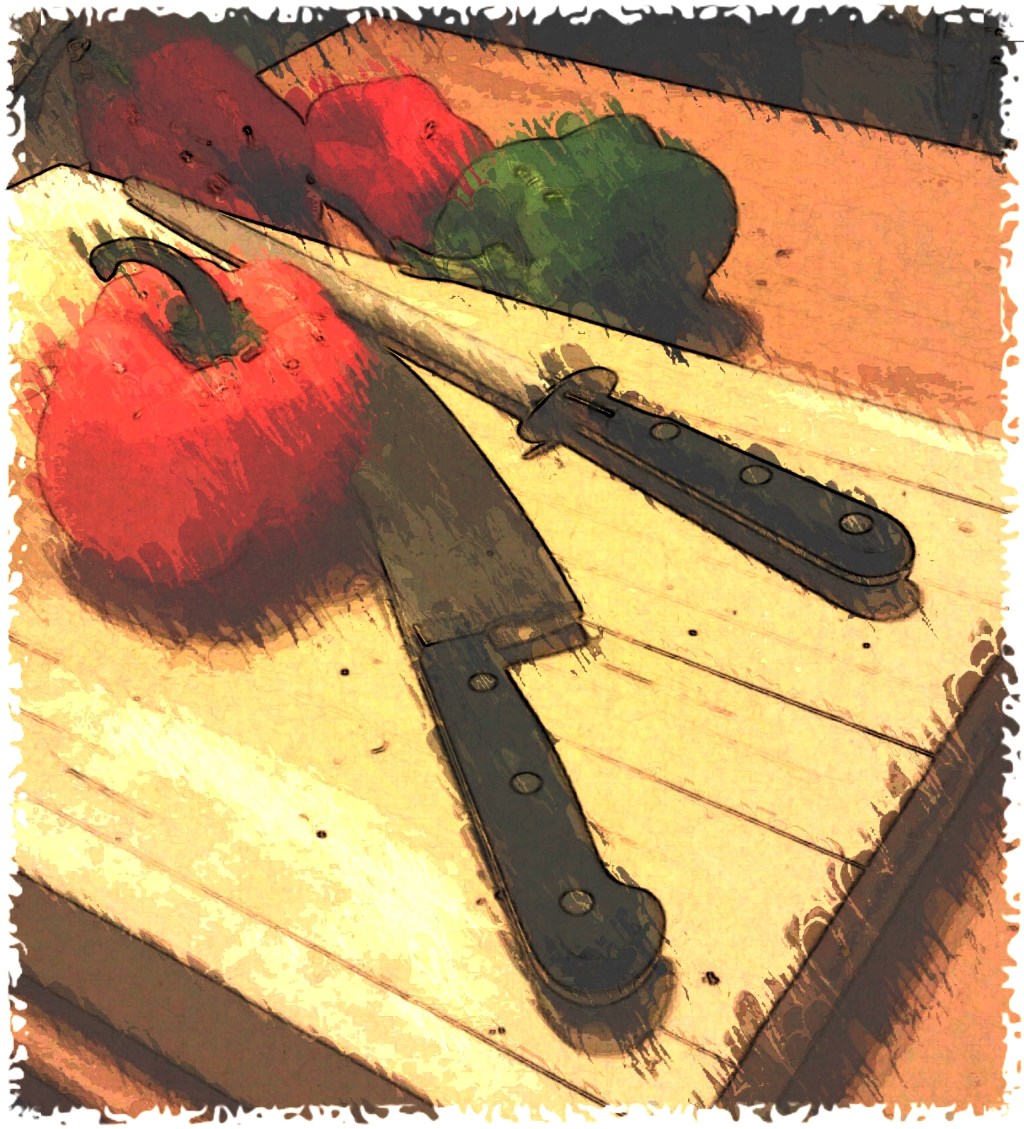
    Rule No. 1 – Knives are sharp
    At least they should be. A sharp knife is a safe knife. Why? Because a sharp knife lends itself to proper technique. One does not chop by banging the edge like a hammer. You slice. You let the knife do the work. Your hands are there to guide the blade. You don’t push it, you don’t force it, and you don’t let it get dull. If you do, the knife will slip and you will cut and/or stab yourself. You will bleed and likely require stitches and worse, you will have ruined dinner. Putz! Keep your knife sharp!

    Rule No. 2 – Stoves are hot
    In many (most?) working kitchens, the stoves are always on. Baking, roasting, braising, sauteing, frying – the first step in every one of those techniques is preheating your stove. Now here’s the rub – even if you don’t see flames or your burners are not glowing red, ESPECIALLY at home where you can’t tell, always ALWAYS assume your stove is hot. Don’t lean on it, don’t sit on it, don’t put anything on or in it unless you want it to burn.

    Rule No. 3 – People are dumb
    Dumb is a strong word. I’d like to think people are not born evil, but after my time in the industry I can conclude if you dial-down your expectations you will never be disappointed. It’s best to divest yourself of any ownership and let yourself be amused by such errant behaviour as:
    Ignoring the first two Rules. – The knife was dull and you got cut. The stove was hot and you got burned. The floor was slippery and you ran and fell. I, I…I can’t help you.
    Asking for substitutions – No, the menu was designed this way for a reason. YOU came to ME. If you want to cook, stay home.
    Zero situational awareness – There’s a reason we say ‘behind,’ ‘corner,’ ‘sharp.’ ‘hot.’ Because they are those things. Simple, short, sharp little words that carry entire conversations.
    Comps and freebies – You’re rich? Good. You can afford to eat here. I’m not taking it in the pocketbook just because you’re my friend or you have notoriety.
    Being mean to restaurant staff.  – Don’t be a jerk. Shush! Just, no.
    Theft  – If it’s not nailed down, counted, or regulated (even if it is those things), it will go walking.

    Annnd we’ll stop there.
    Those are the Big 3. But there are a few other things to keep in mind too. Not rules so much as best practices. These include:

    Taste everything
    My former mentor Chef Jesse Chambers always said we eat first with our eyes, but we refine our skills by tasting everything. (Okay, not everything. I don’t advocate licking raw chicken ice cream or noshing pork slushies. That’s dumb.) When we cook we engage all our senses but sight, taste, followed closely by smell, rule. You can not tell if something is seasoned without taste, can not judge the consistency of a sauce, the bitterness of chocolate, the texture of bechamel, or what choice of wines and whiskeys will balance a meal.

    Clean as you go
    I have Earl’s to thank for this. Reduced to the acronym CAYG it was Part 2 of Restaurant gospel (Part 1 being fresh food stripped of ornamentation). It means owning and finishing what you start – if you make a mess, clean it up right then and there. If you do your dishes and wipe your counters as you go along, there is precious little to do at the end except sweep and mop.

    Have fun
    Also an Earl’s lesson. This is hospitality. It’s the reason we’re here. That, and we’re hungry.
    The things that are necessary can be the sources of great joy. The  pleasures of the table are some of the greatest in life, so enter the kitchen with a sense of anticipation and eagerness. Some of the best times of your life will happen in the kitchen. The best parties happen in the kitchen. Enemies become friends, family is reunited.
    When you are fed, the world is just a better place.

    Life is better lifted, so why not make yours a feast?

    Bud