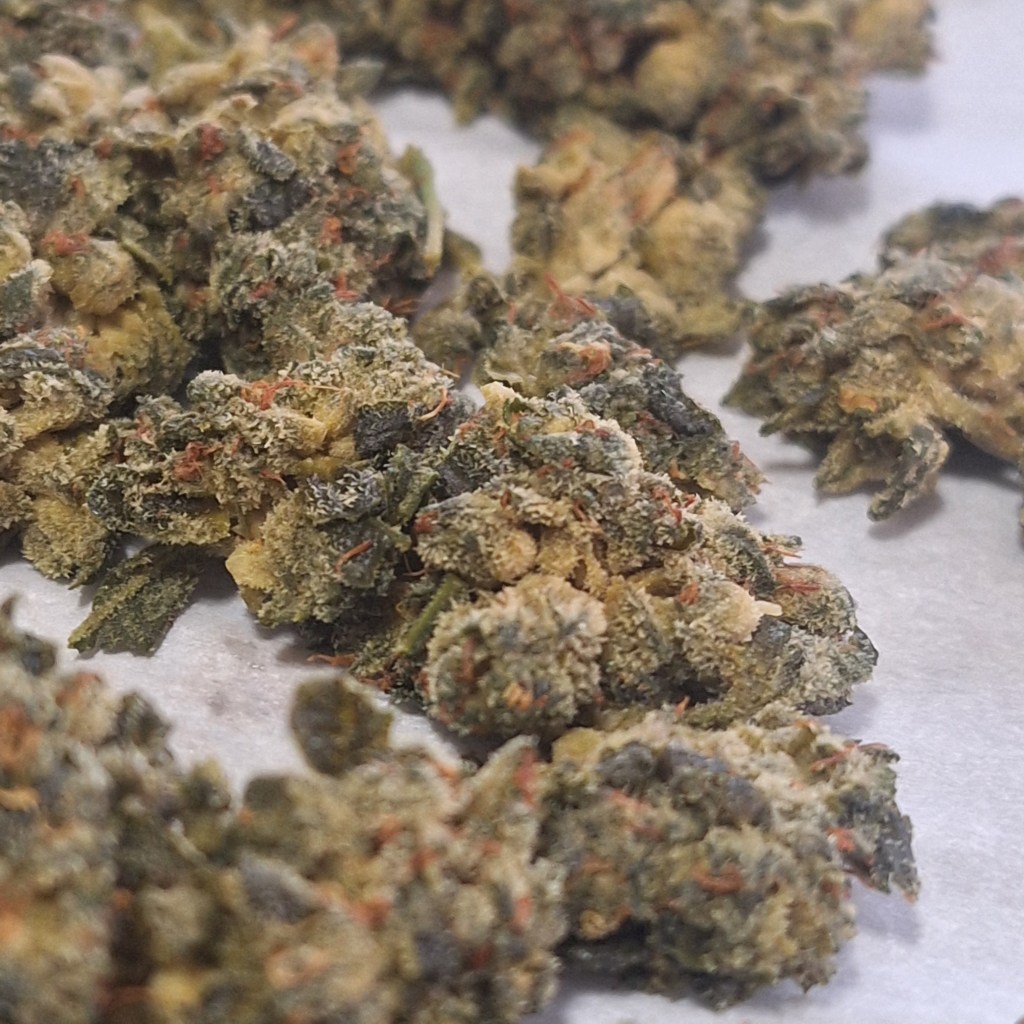
When it comes to cooking with cannabis, achieving the perfect balance of potency and flavour can elevate your culinary creations. One often-overlooked technique that can enhance both is blanching cannabis before decarboxylation. Popularized by Jeff the 420 Chef, this method removes impurities and some of the plant’s bitter taste, making it a preferred choice for those who value a cleaner flavour profile.
In this guide, we’ll explore the benefits of blanching cannabis, provide a step-by-step overview of the process, and explain how it integrates seamlessly into decarboxylation to prepare your cannabis for edibles.
Why Blanch Cannabis?
Blanching is a technique that briefly submerges cannabis in boiling water, followed by immediate cooling in an ice bath. This process is widely used in vegetable preparation to preserve colour, texture and nutrients, but its application in cannabis has an additional purpose.
When cannabis is blanched, the water helps remove chlorophyll, excess plant material, and impurities that contribute to its harsh taste and aroma. By doing so, the resulting cannabis butter or oil carries a milder flavour, allowing the intended ingredients of your recipe to shine without being overpowered by the earthy, grassy notes of unprocessed cannabis.
Moreover, blanching can help reduce some of the undesirable compounds in cannabis, such as pesticides or residual solvents that may be present in poorly processed plant material. While it’s not a substitute for sourcing high-quality cannabis, blanching offers an added layer of purification.
The Jeff the 420 Chef Approach
Jeff the 420 Chef is a pioneer in the art of crafting gourmet cannabis-infused edibles. His unique approach to blanching cannabis has gained popularity among home cooks and cannabis enthusiasts alike. By incorporating blanching into his process, Jeff ensures that his infusions are not only potent but also palatable and accessible to a broader audience.
Here’s a simplified version of his procedure:
Boil water: Bring a pot of water to a rolling boil. Ensure the pot is large enough to allow the cannabis to move freely without overcrowding.
Prepare the ice bath: Fill a large bowl with cold water and ice. This will be used to stop the cooking process immediately after blanching.
Blanch the cannabis: Add your cannabis to the boiling water. Use a slotted spoon or mesh strainer to ensure easy handling. Allow the cannabis to blanch for about 5 minutes.
Shock the cannabis: Immediately transfer the cannabis from the boiling water to the ice bath. Let it cool completely to stop the cooking process and preserve the integrity of the plant material.
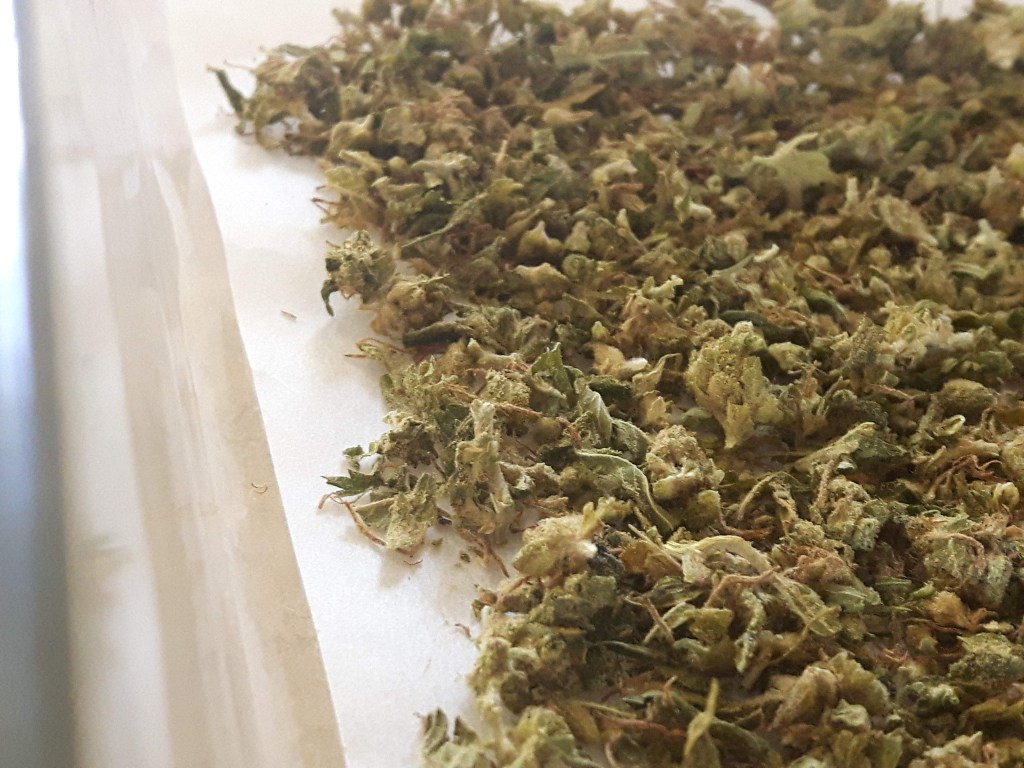
Dry the cannabis: Remove the cannabis from the ice bath and gently pat it dry with a clean kitchen towel or paper towels. Spread the cannabis out on a parchment-lined baking sheet to air-dry completely before proceeding with decarboxylation.
Benefits of Blanching
Blanching cannabis offers several key advantages for those cooking with it:
Improved flavour: By removing chlorophyll and impurities, the harsh, bitter taste often associated with cannabis is significantly reduced. This makes your edibles more enjoyable for those who prefer subtler cannabis flavours.
Cleaner infusions: The process helps remove unwanted compounds, leading to purer cannabis butter or oil. This is particularly important when creating recipes where cannabis plays a supporting role, rather than being the dominant flavour.
Enhanced versatility: Blanched cannabis pairs better with delicate dishes, such as desserts or savoury recipes with subtle seasoning, as the flavour profile becomes less overpowering.
Odour reduction: For those concerned about the smell of cannabis during the cooking process, blanching can minimize the pungent aroma typically associated with decarboxylation.
Decarboxylation After Blanching
After blanching, the next step is decarboxylation, the process that activates the cannabinoids in cannabis. Decarboxylation involves heating the cannabis at a low temperature to convert THCA into THC, the compound responsible for cannabis’s psychoactive effects.
Decarboxylate your blanched flower in the oven. Pre-heat your oven to 240°F (115°C). Grind your herb to desired consistency and spread on the parchment paper covering the cookie sheet. Cover with Tinfoil and crimp around edges. Bake for 30-40 minutes. Store in an airtight container in a cool, dark place until ready to use.
Blanching cannabis before decarboxylation is a simple yet transformative step for those who want to create high-quality cannabis-infused edibles. By following Jeff the 420 Chef’s method, you can elevate the flavour, purity and overall enjoyment of your creations.
While the process adds an extra step to your preparation, the benefits far outweigh the effort. Whether you’re crafting a delicate dessert or a savoury main course, blanched cannabis ensures that the taste of your dish remains front and centre, with cannabis playing a subtle yet effective supporting role.
Experiment with this method in your next infusion, and experience the difference it can make in the world of cannabis edibles.
 Cooking With Cannabis