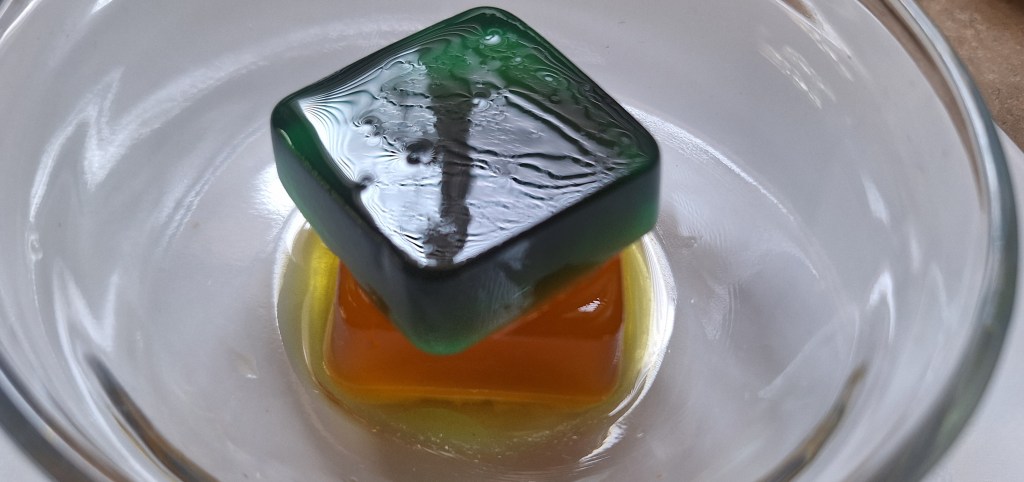
Tag: Basics

  • Why Your Gummies Are Sweaty, Sticky, or Greasy — and How to Cure It

    Why Your Gummies Are Sweaty, Sticky, or Greasy — and How to Cure It

    Hydrocolloids, specifically gummies, are a great way to medicate and get started in making lifted edibles and in these parts are considered staples.

    Imagine my surprise when I tucked into the ziploc for a wee treat and could barely get a grip with two fingers and thumbs because they were slick from a noticeable coating of oil. 

    Turns out I may not have cured my confections correctly. 

    If your MCT oil–based gummies are coming out sticky, sweaty, or greasy, don’t panic — it’s a common issue that usually comes down to moisture management and formulation balance. Even for home-made gummies, dialing in your curing and storage process is key to producing confections with a clean, dry finish and long shelf life.

    What’s Going On?

    Sticky or greasy gummies are almost always reacting to moisture in some way — either from the environment or from ingredients that weren’t fully set during curing. Here are the main contributors:

    Humidity: Gummies are hygroscopic, meaning they absorb moisture from the air. If your curing or storage area is too humid, they’ll start to feel tacky or oily.

    Incomplete Curing: If gummies haven’t dried out properly after molding, residual water and oil can migrate to the surface and cause sweating.

    Sugars: High levels of reducing sugars (like glucose or fructose) can lead to stickiness, especially under humid conditions. My standard recipe calls for a quarter cup (60 ml) of honey, which is high in fructose.

    Humectants: Ingredients like glycerin and sorbitol hold onto water — great for softness, but risky for shelf stability if overused. In this case, I’ve been using a liquid soy lecithin somewhat indiscriminately. May have to switch to a powdered version. 

    Poor Storage: Even a well-cured gummy can go soft again if stored in humid conditions or in packaging that doesn’t fully seal out air.

    Lecithin and Humidity – What You Should Know

    Liquid soy lecithin is a common emulsifier in cannabis gummies, helping bind water- and oil-based ingredients together (especially if you’re infusing with MCT oil). But it also has a tendency to attract and hold moisture. In high-humidity environments, lecithin can absorb ambient moisture, which contributes to surface tackiness and unstable texture.

    If you’re working with liquid lecithin in a damp kitchen or during a rainy spell, expect a longer curing time. You may also want to reduce the lecithin slightly or switch to a powdered lecithin, which tends to be a bit less hygroscopic.

    Cannabis-Specific Curing Considerations

    Infused gummies need special care because of the active ingredients. THC and other cannabinoids can degrade with heat, light, and oxygen, so while curing is important, don’t cure them in hot or brightly lit spaces.

    MCT oil can also “sweat” out of a gummy if the emulsion breaks down — often due to temperature shifts or moisture imbalance. If you see oil beading on the surface, the emulsion may need fine-tuning (or a lecithin adjustment).

    Proper curing helps stabilize potency, ensuring cannabinoids are evenly distributed and not lost to sweating or surface stickiness.

    How to Fix It

    Here’s how to keep your gummies firm, dry, and shelf-stable.

    Cure Smart: Let gummies cure uncovered at room temperature (~70°F / 21°C) with humidity between 30–35 per cent. Depending on the recipe and ambient moisture, curing may take 24–72 hours. 

    Avoid Refrigeration (Mostly): A fridge can create condensation unless it’s humidity-controlled. Stick with a dry pantry or curing rack in a closed room with a dehumidifier if needed.

    Use the Right Packaging: Go for airtight, moisture-resistant containers. Heat-sealed mylar bags or food-safe jars with desiccant packs are ideal.

    Refine the Formula: If stickiness continues, reduce humectants, slightly lower your sugar content, or switch from liquid to powdered lecithin.

    Want more cannabis kitchen tips? Explore infusion techniques, ingredient ratios, and shelf-stability strategies at cookingwithcannabis.ca — the art of elevating your menu.

  • Crème caramel

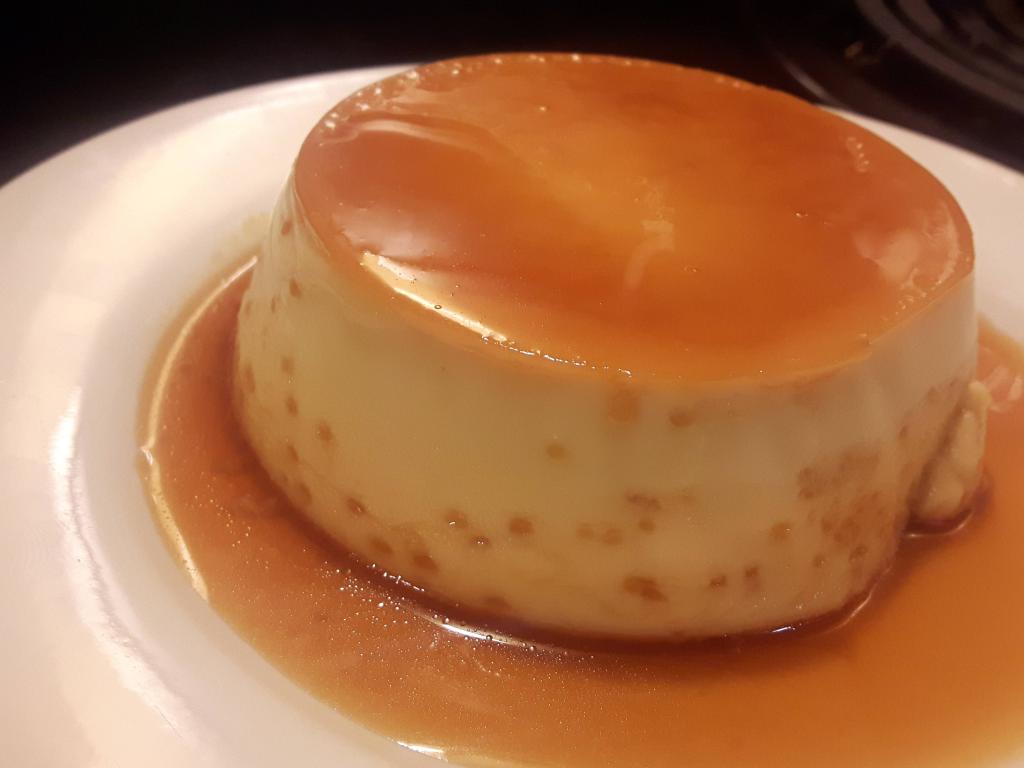
    Crème caramel

    Crème caramel is a classic custard dessert featuring a silky texture and a rich caramel topping. It should also be one of the first grown-up desserts you learn to make. Following the culinary ratios presented in Michael Ruhlman’s Ratio*, the key to a perfect crème caramel is the custard ratio: 2 parts liquid to 1 part egg. Infusing cannabis into this recipe requires incorporating a fat-based infusion, such as cannabis-infused cream or milk. So, sugar and THC. Hold on to your spoons…

    Ingredients

    Caramel
    1 cup (200 g) granulated sugar
    1/4 cup (60 mL) water

    Custard
    2 cups (480 mL) cannabis-infused heavy cream or whole milk
    4 large eggs
    1/2 cup (100 g) granulated sugar
    1 tsp (5 mL) vanilla extract
    Pinch of salt

    Instructions
    1. Prepare the caramel. In a saucepan over medium heat, combine sugar and water. Cook without stirring until the mixture turns a deep amber colour, about 10 minutes. Quickly pour into ramekins, swirling to coat the bottom.
    2. Prepare the custard. In a saucepan, heat cannabis-infused cream until steaming but not boiling. Remember to match your heat to your terpenes. In a separate bowl, whisk eggs, sugar, vanilla, and salt until smooth. Gradually whisk in the warm cream, tempering the eggs to avoid curdling.
    3. Bake. Strain the custard through a sieve into the caramel-lined ramekins. Place ramekins in a baking dish and pour in hot water to reach halfway up the sides. Bake at 325°F (160°C) for 35 to 40 minutes, until the custard is set but still slightly jiggly in the centre.
    4. Chill and serve. Cool to room temperature, then refrigerate for at least four hours. To serve, run a knife around the edges and invert onto plates, letting the caramel flow over the custard.

    Dosing Considerations
    Adjust the potency of your infusion based on personal tolerance. Always label cannabis-infused desserts clearly and keep them away from unintended consumers.


    How to Infuse Milk with Cannabis
    Cannabis-infused milk is a versatile ingredient for cooking, baking or enjoying on its own. The key to a successful infusion is gentle heat and time, allowing the cannabinoids to bind to the fat in the milk.

    Ingredients:

    2 cups (475 mL) whole milk (3.25% M.F.) or cream for a richer infusion
    1 gram decarboxylated cannabis, finely ground

    Instructions

    1. Decarboxylate the cannabis. Preheat the oven to 240°F (115°C). Spread the finely ground cannabis on a parchment-lined baking sheet and bake for 30 to 40 minutes, stirring occasionally. This activates the THC and CBD. Let cool.

    2. Heat the milk. In a saucepan over low heat, warm the milk until it reaches a gentle simmer (about 180°F or 82°C). Do not let it boil, as high heat can degrade cannabinoids.

    3. Infuse the cannabis. Stir the decarboxylated cannabis into the milk. Maintain a low simmer for 45 minutes, stirring occasionally to prevent scorching.

    4. Strain. Remove from heat and let cool slightly. Strain through a fine-mesh sieve or cheesecloth into a clean container, discarding the plant material.

    5. Store. Refrigerate in an airtight container for up to a week. Shake before use.

    Use infused milk in coffee, tea, smoothies, or recipes calling for milk. Dosage varies based on potency—start with a small amount and adjust accordingly.

    Notes
    *Ratio is perhaps the most important cookbook in my collection. I’d go so far to say it’s more an anti-cookbook, a Master Class in kitchen fundamentals most if not all of which lend themselves to a lifted menu.

  • Where flavour lives – An Introduction to Cannabinoids and Terpenes

    Where flavour lives – An Introduction to Cannabinoids and Terpenes

    Cooking with cannabis involves careful temperature control to preserve its active compounds, including cannabinoids and terpenes.


    Cannabinoids
    Cannabinoids are a group of chemical compounds, found primarily in the cannabis plant, that bind to cannabinoid receptors in the body and can have various effects, including psychoactive effects like those caused by THC.
    Here’s a more detailed breakdown.

    What are Cannabinoids?

    Cannabinoids are a class of biological compounds that interact with cannabinoid receptors in the body.
    They can be found in the cannabis plant (phytocannabinoids), produced naturally by the body (endocannabinoids), or synthesized in laboratories (synthetic cannabinoids).
    Common examples include THC (tetrahydrocannabinol) and CBD (cannabidiol).
    Cannabinoids exert their effects by binding to cannabinoid receptors, primarily CB1 and CB2, which are found throughout the body, including the brain and immune system.
    Cannabinoids can influence various physiological processes, including pain perception, appetite, mood, and inflammation.
    There are several different types of Cannabinoids, including:


    Phytocannabinoids Found in the cannabis plant (e.g., THC, CBD).
    Endocannabinoids: Produced naturally by the body (e.g., anandamide).
    Synthetic Cannabinoids Lab-made cannabinoids (e.g., spice, K2).
    Key Cannabinoids
    THC (Tetrahydrocannabinol) is the primary psychoactive compound in cannabis, responsible for the “high.”

    CBD (Cannabidiol)

    A non-psychoactive cannabinoid that may have therapeutic effects.


    Other Cannabinoids CBG (cannabigerol), CBN (cannabinol), CBC (cannabichromene), and others.


    Potential Uses and Effects
    Medical Applications
    Cannabinoids are being studied for potential therapeutic uses, such as pain management, nausea, and inflammation.
    Recreational Use
    Cannabis containing cannabinoids is used recreationally for its psychoactive effects.
    Potential Risks
    An informed consumer is a responsible consumer. Cannabinoid use can have potential risks, including dependence, anxiety, and cognitive impairment.
    Synthetic Cannabinoids
    Synthetic cannabinoids can be particularly dangerous, with potentially severe and life-threatening effects.

    Terpenes
    While much attention is given to the decarboxylation process, which activates cannabinoids like THC and CBD, the effects of heat on terpenes are equally important. Terpenes contribute to the aroma, flavour, and potential effects of cannabis-infused dishes, but they are highly volatile and sensitive to temperature. Understanding how heat affects terpenes and whether they can be reintroduced later in the cooking process can help preserve their benefits in cannabis-infused cuisine.


    How Heat Affects Terpenes
    Terpenes are aromatic compounds found in cannabis and many other plants, responsible for distinctive scents and potential therapeutic effects. However, they have relatively low boiling points, meaning they can degrade or evaporate when exposed to high temperatures. This degradation can alter the flavour profile of a dish and reduce the potential entourage effect—the interaction between cannabinoids and terpenes that influences the overall experience of cannabis consumption.
    Each terpene has a different boiling point. Some common examples include:
    Myrcene: ~167°C (332°F)
    Limonene: ~176°C (349°F)
    Linalool: ~198°C (388°F)
    Pinene: ~156°C (313°F)
    Beta-Caryophyllene: ~119°C (246°F)
    Cooking temperatures often exceed these limits. Baking, frying, or sautéing at high heat can destroy terpenes, diminishing the aromatic complexity and potential therapeutic benefits of the cannabis used. This is why lower-temperature cooking methods, such as sous vide infusion, are often recommended when working with cannabis.
    Best Practices for Preserving Terpenes
    To retain terpenes in cannabis-infused dishes, consider the following strategies:


    Low-Temperature Cooking

    Use gentle heat to infuse cannabis into fats like butter or oil. Keep temperatures below 160°C (320°F) to preserve more volatile terpenes.


    Slow Infusion Methods

    Sous vide, double boilers, and low-temperature simmering allow for controlled heating, reducing terpene loss.


    Short Cooking Times

    Prolonged exposure to heat can cause terpene evaporation, so adding cannabis oil or butter toward the end of the cooking process can help retain its properties.


    Covered Cooking

    Using lids on pots or baking dishes can help trap some volatile compounds that would otherwise evaporate.


    Can Terpenes Be Added Back Later?
    Since heat destroys some terpenes, supplementing them later in the cooking process can be an effective way to restore aroma, flavour, and potential effects. This can be done in several ways:


    Adding Fresh Herbs

    Many terpenes found in cannabis also exist in other plants. For example, adding fresh basil (rich in myrcene) or citrus zest (high in limonene) can enhance the terpene profile of a dish.


    Terpene Isolates

    Some companies offer food-grade terpene extracts derived from cannabis or other plants. A few drops of these can be added to sauces, dressings, or even beverages after cooking.


    Aromatics in Garnishes

    Adding cannabis-infused oils, fresh cannabis leaves, or terpene-rich ingredients as garnishes can bring back lost flavours.

    Heat can significantly impact terpenes in cannabis, altering the flavour and potential effects of infused foods. Using low-temperature cooking techniques and adding terpenes later in the process can help preserve these valuable compounds, enhancing the final dish’s aroma and taste. Whether through natural sources like herbs or terpene isolates, reintroducing terpenes can elevate the culinary experience of cannabis-infused cuisine.

    As always, consume responsibly. Don’t get lifted and drive. Respect the cannabis laws of your jurisdiction.

    Citations
    “Terpene Boiling Points and Temperature.” True Labs for Cannabis, .

    “Terpene Boiling Points (And Why It Matters).” Finest Labs, .

    “How to Preserve the Terpenes & Aroma in Cannabis.” Leafly, .

    “How to Preserve Terpenes in Your Cannabis Oil Extraction.” Holland Green Science, .

    “How to Harvest, Dry and Cure Cannabis to Preserve Aromas.” Cali Terpenes, .

    “Terpene Temperature Chart: Calculating the Boiling Points.” ExtraktLAB, .

    “Cooking with Terpenes: A Tutorial, with Recipes.” Modern Farmer, .