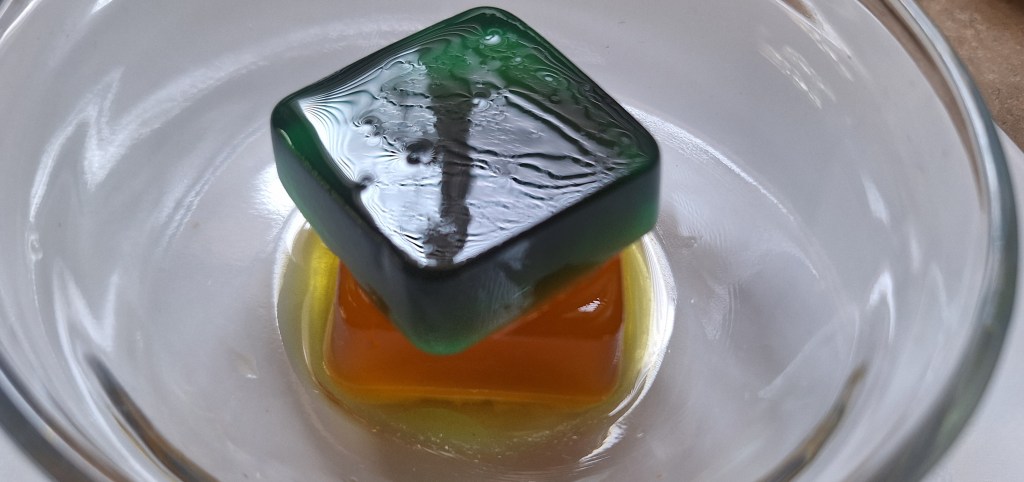
Hydrocolloids, specifically gummies, are a great way to medicate and get started in making lifted edibles and in these parts are considered staples.
Imagine my surprise when I tucked into the ziploc for a wee treat and could barely get a grip with two fingers and thumbs because they were slick from a noticeable coating of oil.
Turns out I may not have cured my confections correctly.
If your MCT oil–based gummies are coming out sticky, sweaty, or greasy, don’t panic — it’s a common issue that usually comes down to moisture management and formulation balance. Even for home-made gummies, dialing in your curing and storage process is key to producing confections with a clean, dry finish and long shelf life.
What’s Going On?
Sticky or greasy gummies are almost always reacting to moisture in some way — either from the environment or from ingredients that weren’t fully set during curing. Here are the main contributors:
Humidity: Gummies are hygroscopic, meaning they absorb moisture from the air. If your curing or storage area is too humid, they’ll start to feel tacky or oily.
Incomplete Curing: If gummies haven’t dried out properly after molding, residual water and oil can migrate to the surface and cause sweating.
Sugars: High levels of reducing sugars (like glucose or fructose) can lead to stickiness, especially under humid conditions. My standard recipe calls for a quarter cup (60 ml) of honey, which is high in fructose.
Humectants: Ingredients like glycerin and sorbitol hold onto water — great for softness, but risky for shelf stability if overused. In this case, I’ve been using a liquid soy lecithin somewhat indiscriminately. May have to switch to a powdered version.
Poor Storage: Even a well-cured gummy can go soft again if stored in humid conditions or in packaging that doesn’t fully seal out air.
Lecithin and Humidity – What You Should Know
Liquid soy lecithin is a common emulsifier in cannabis gummies, helping bind water- and oil-based ingredients together (especially if you’re infusing with MCT oil). But it also has a tendency to attract and hold moisture. In high-humidity environments, lecithin can absorb ambient moisture, which contributes to surface tackiness and unstable texture.
If you’re working with liquid lecithin in a damp kitchen or during a rainy spell, expect a longer curing time. You may also want to reduce the lecithin slightly or switch to a powdered lecithin, which tends to be a bit less hygroscopic.
Cannabis-Specific Curing Considerations
Infused gummies need special care because of the active ingredients. THC and other cannabinoids can degrade with heat, light, and oxygen, so while curing is important, don’t cure them in hot or brightly lit spaces.
MCT oil can also “sweat” out of a gummy if the emulsion breaks down — often due to temperature shifts or moisture imbalance. If you see oil beading on the surface, the emulsion may need fine-tuning (or a lecithin adjustment).
Proper curing helps stabilize potency, ensuring cannabinoids are evenly distributed and not lost to sweating or surface stickiness.
How to Fix It
Here’s how to keep your gummies firm, dry, and shelf-stable.
Cure Smart: Let gummies cure uncovered at room temperature (~70°F / 21°C) with humidity between 30–35 per cent. Depending on the recipe and ambient moisture, curing may take 24–72 hours.
Avoid Refrigeration (Mostly): A fridge can create condensation unless it’s humidity-controlled. Stick with a dry pantry or curing rack in a closed room with a dehumidifier if needed.
Use the Right Packaging: Go for airtight, moisture-resistant containers. Heat-sealed mylar bags or food-safe jars with desiccant packs are ideal.
Refine the Formula: If stickiness continues, reduce humectants, slightly lower your sugar content, or switch from liquid to powdered lecithin.
Want more cannabis kitchen tips? Explore infusion techniques, ingredient ratios, and shelf-stability strategies at cookingwithcannabis.ca — the art of elevating your menu.
 Cooking With Cannabis