No baking here. Okay, maybe a little…
Ingredients
For the crust
1 ½ cups (170 g) graham cracker crumbs
6 tbsp (85 g) unsalted butter, melted
2 tbsp (25 g) granulated sugar
For the filling
1 package (8 oz / 225 g) cream cheese, softened
1 can (14 oz / 300 mL) sweetened condensed milk
½ cup (120 mL) key lime juice (or regular lime juice)
1 tbsp (15 mL) lime zest
1 tsp (5 mL) vanilla extract
1–2 tbsp (15–30 mL) cannabis-infused heavy cream (see below)
For the cannabis-infused heavy cream
½ cup (120 mL) heavy cream
½–1 gram decarboxylated cannabis (adjust potency as needed)
For garnish (optional)
Whipped cream
Lime slices or zest
Instructions
Prepare the cannabis-infused heavy cream
1. In a small saucepan over low heat, warm the heavy cream until it just starts to steam. Do not let it boil.
2. Stir in the decarboxylated cannabis and let it infuse over low heat for 30–45 minutes, stirring occasionally.
3. Strain the cream through a fine-mesh sieve or cheesecloth into a clean container, discarding the plant material.
4. Let the infused cream cool to room temperature before using.
Make the crust
1. In a medium bowl, combine graham cracker crumbs, melted butter, and sugar. Mix until the texture resembles wet sand.
2. Press the mixture firmly into a 9-inch (23 cm) pie pan, ensuring an even layer on the bottom and sides.
3. Refrigerate for at least 30 minutes to set.
Prepare the filling
1. In a large mixing bowl, beat the cream cheese until smooth and fluffy.
2. Add the sweetened condensed milk, lime juice, lime zest, and vanilla extract. Mix until well combined.
3. Stir in the cannabis-infused heavy cream, mixing thoroughly. Adjust the amount based on desired potency.
Assemble and chill
1. Pour the filling into the prepared crust, smoothing the top with a spatula.
2. Cover and refrigerate for at least 4 hours, or overnight, until fully set.
Garnish and serve
1. Before serving, top with whipped cream, lime slices, or additional lime zest if desired.
2. Slice and enjoy responsibly.
Notes
The potency of the pie will depend on the strength of your cannabis infusion. Start with a small slice and wait at least two hours before consuming more.
If using a store-bought infused cream, adjust the amount to match your desired dosage.
Category: Edibles
-
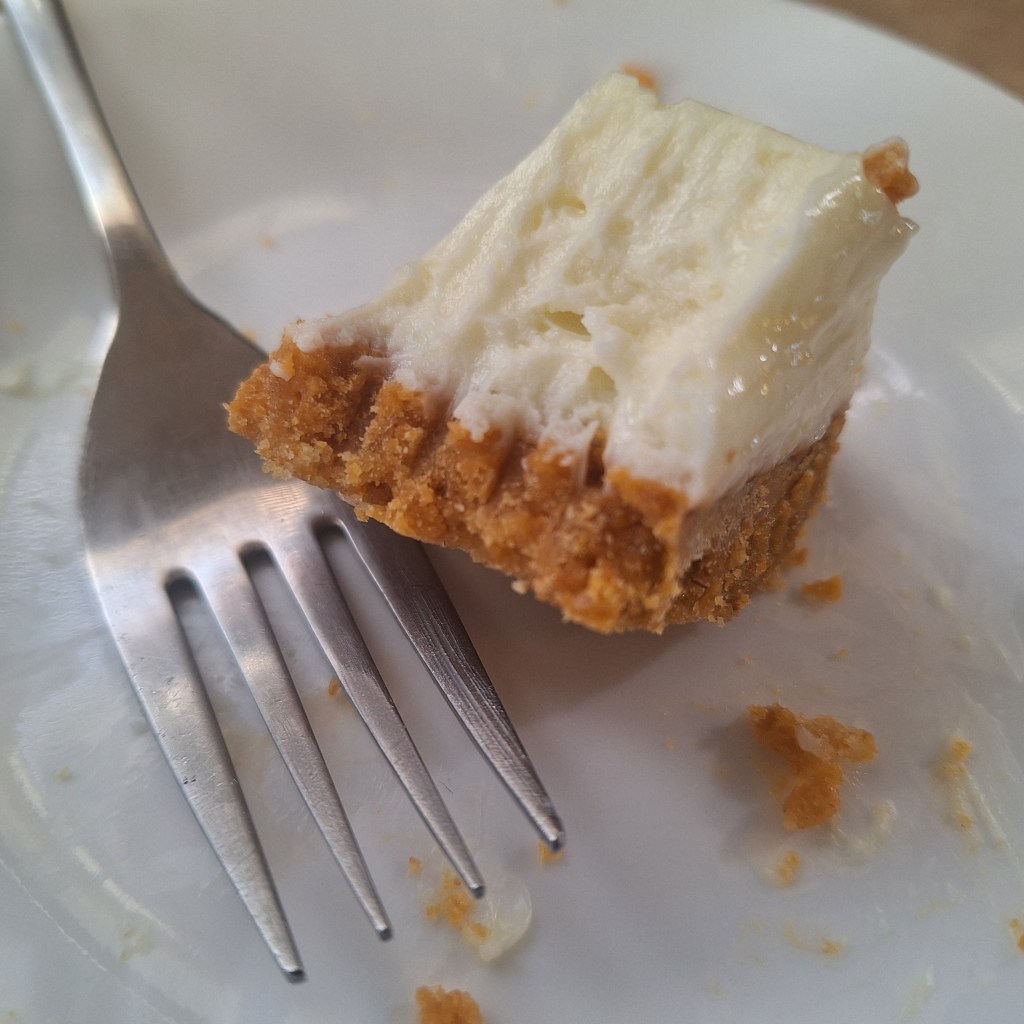
Chilled Cannabis-Infused Key Lime Pie
-
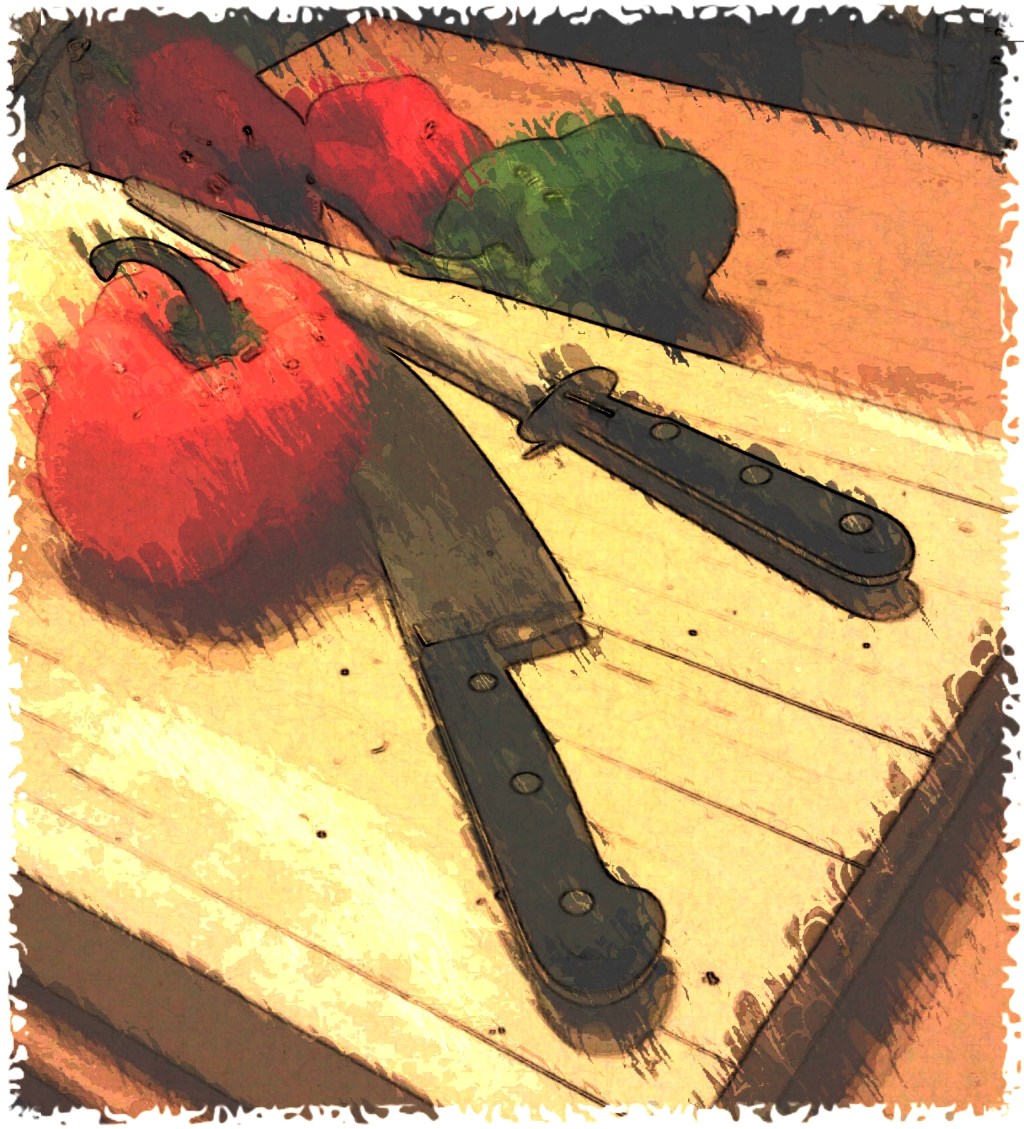
The Rules
The Rules of the Kitchen
It isn’t always about weed. (Well, yes. Here it is.) But you also have to know your way around a kitchen.
The kitchen is a workshop that uses food instead of wood or metals. It is always a good idea to conduct yourself like you’re in a machine shop or garage – screw around and there are lots of things that can hurt you. So I came up with a series of rules to help people remember how to behave around sharp, pokey things, boiling oil, and open flame.
The Rules of the Kitchen
* Knives are sharp
* Stoves are hot
* People are dumb
Rule No. 1 – Knives are sharp
At least they should be. A sharp knife is a safe knife. Why? Because a sharp knife lends itself to proper technique. One does not chop by banging the edge like a hammer. You slice. You let the knife do the work. Your hands are there to guide the blade. You don’t push it, you don’t force it, and you don’t let it get dull. If you do, the knife will slip and you will cut and/or stab yourself. You will bleed and likely require stitches and worse, you will have ruined dinner. Putz! Keep your knife sharp!
Rule No. 2 – Stoves are hot
In many (most?) working kitchens, the stoves are always on. Baking, roasting, braising, sauteing, frying – the first step in every one of those techniques is preheating your stove. Now here’s the rub – even if you don’t see flames or your burners are not glowing red, ESPECIALLY at home where you can’t tell, always ALWAYS assume your stove is hot. Don’t lean on it, don’t sit on it, don’t put anything on or in it unless you want it to burn.
Rule No. 3 – People are dumb
Dumb is a strong word. I’d like to think people are not born evil, but after my time in the industry I can conclude if you dial-down your expectations you will never be disappointed. It’s best to divest yourself of any ownership and let yourself be amused by such errant behaviour as:
Ignoring the first two Rules. – The knife was dull and you got cut. The stove was hot and you got burned. The floor was slippery and you ran and fell. I, I…I can’t help you.
Asking for substitutions – No, the menu was designed this way for a reason. YOU came to ME. If you want to cook, stay home.
Zero situational awareness – There’s a reason we say ‘behind,’ ‘corner,’ ‘sharp.’ ‘hot.’ Because they are those things. Simple, short, sharp little words that carry entire conversations.
Comps and freebies – You’re rich? Good. You can afford to eat here. I’m not taking it in the pocketbook just because you’re my friend or you have notoriety.
Being mean to restaurant staff. – Don’t be a jerk. Shush! Just, no.
Theft – If it’s not nailed down, counted, or regulated (even if it is those things), it will go walking.
Annnd we’ll stop there.
Those are the Big 3. But there are a few other things to keep in mind too. Not rules so much as best practices. These include:
Taste everything
My former mentor Chef Jesse Chambers always said we eat first with our eyes, but we refine our skills by tasting everything. (Okay, not everything. I don’t advocate licking raw chicken ice cream or noshing pork slushies. That’s dumb.) When we cook we engage all our senses but sight, taste, followed closely by smell, rule. You can not tell if something is seasoned without taste, can not judge the consistency of a sauce, the bitterness of chocolate, the texture of bechamel, or what choice of wines and whiskeys will balance a meal.
Clean as you go
I have Earl’s to thank for this. Reduced to the acronym CAYG it was Part 2 of Restaurant gospel (Part 1 being fresh food stripped of ornamentation). It means owning and finishing what you start – if you make a mess, clean it up right then and there. If you do your dishes and wipe your counters as you go along, there is precious little to do at the end except sweep and mop.
Have fun
Also an Earl’s lesson. This is hospitality. It’s the reason we’re here. That, and we’re hungry.
The things that are necessary can be the sources of great joy. The pleasures of the table are some of the greatest in life, so enter the kitchen with a sense of anticipation and eagerness. Some of the best times of your life will happen in the kitchen. The best parties happen in the kitchen. Enemies become friends, family is reunited.
When you are fed, the world is just a better place.Life is better lifted, so why not make yours a feast?
Bud
-

Calculating Dosage

Because, who doesn’t love math?
Calculating the dosage of cannabis-infused edibles is a critical aspect of cannabis cooking, ensuring both safety and efficacy. Cheri Sicard, a renowned cannabis chef and author, provides a comprehensive manual method for determining THC content in homemade edibles. Her approach, detailed in her writings, offers a systematic way to estimate the potency of your culinary creations.
Understanding THC Content in Cannabis
The first step in calculating dosage is to understand the THC (tetrahydrocannabinol) content of the cannabis you’re using. THC is the primary psychoactive compound in cannabis, and its concentration can vary widely. If you have access to lab-tested cannabis, you’ll have precise THC percentages. However, if such information isn’t available, estimates are necessary.
For estimation purposes, using a 10% THC content is a reasonable starting point.
The Calculation Process
1. Determine THC per Gram
One gram of cannabis weighs 1,000 milligrams.
Assuming 10 per cent THC, each gram contains approximately 100 milligrams of THC (10 per cent of 1,000 mg).
2. Calculate Total THC in the Infusion
Decide how much cannabis you’ll use in your infusion.
So using a full ounce (28 grams) of cannabis with 10 per cent THC to make one cup of butter, the calculation looks like this:28 grams × 100 mg THC/gram = 2,800 mg THC
3. Determine THC per Serving:
Consider the amount of infused butter used in a recipe. This is where you figure out how strong each piece really is.
Let’ say your recipe calls for a half-cup of this butter. Since 1 cup = 2,800 mg THC, ½ cup = 1,400 mg THC.Now divide this amount by the number of portions you are making. So in this case, that half-cup of cannabutter is used to make 36 cookies: 1,400 mg THC ÷ 36 cookies ≈ 38.8 mg THC per cookie.
Adjusting Dosage
If the calculated dosage per serving is higher than desired, you can adjust.
Diluting the Infusion Mix the cannabis-infused butter or oil with regular butter or oil to reduce the THC concentration.
Reducing Infused Ingredient Quantity. Essentially, use less of the infused ingredient in the recipe and supplement with non-infused counterparts, like regular butter.
Conversely, if the dosage is too low, you can:
Increase Infused Ingredient: Use more of the cannabis-infused butter or oil.
Enhance with Concentrates: Add decarboxylated cannabis concentrates like kief, hash, or hash oil to boost potency.
Factors Influencing Dosage Accuracy
This is NOT an exact science! Edibles, especially home made, can be inconsistent. Several variables can affect the accuracy of your dosage calculations:
Decarboxylation: Perhaps the most critical step, properly heating cannabis to activate THC is crucial. Incomplete decarboxylation can result in lower potency.
Cannabis Potency Variability: Without lab testing, THC content is an estimate, and actual potency may vary.
Extraction Efficiency: The method and duration of infusion can influence how much THC is transferred to the butter or oil.
Practical Tips for Home Cooks
Start Low and Go Slow: Especially for those new to edibles, begin with lower doses to gauge individual tolerance.
Keep Detailed Records: Note the amounts of cannabis used, THC estimates, infusion methods, and personal effects to refine future preparations.
Use Dosage Calculators: Online tools can assist in estimating THC per serving, enhancing accuracy.
Accurately calculating the dosage of cannabis-infused edibles is essential for a safe and enjoyable experience. By following Cheri Sicard’s outlined procedure, home cooks can make informed decisions about the potency of their creations. Always consider individual tolerance levels and start with conservative dosages, adjusting as needed based on personal experience and desired effects.As always, consume at your own risk. Please respect the cannabis laws of your jurisdiction. Do NOT get lifted and drive or operate heavy machinery.

 Cooking With Cannabis