
Author: Bud the Editor

  • Calculating Dosage

    Calculating Dosage

    Because, who doesn’t love math?

    Calculating the dosage of cannabis-infused edibles is a critical aspect of cannabis cooking, ensuring both safety and efficacy. Cheri Sicard, a renowned cannabis chef and author, provides a comprehensive manual method for determining THC content in homemade edibles. Her approach, detailed in her writings, offers a systematic way to estimate the potency of your culinary creations.

    Understanding THC Content in Cannabis

    The first step in calculating dosage is to understand the THC (tetrahydrocannabinol) content of the cannabis you’re using. THC is the primary psychoactive compound in cannabis, and its concentration can vary widely. If you have access to lab-tested cannabis, you’ll have precise THC percentages. However, if such information isn’t available, estimates are necessary.

    For estimation purposes, using a 10% THC content is a reasonable starting point.

    The Calculation Process

    1. Determine THC per Gram

    One gram of cannabis weighs 1,000 milligrams.
    Assuming 10 per cent THC, each gram contains approximately 100 milligrams of THC (10 per cent of 1,000 mg).

    2. Calculate Total THC in the Infusion

    Decide how much cannabis you’ll use in your infusion.
    So using a full ounce (28 grams) of cannabis with 10 per cent THC to make one cup of butter, the calculation looks like this:

    28 grams × 100 mg THC/gram = 2,800 mg THC

    3. Determine THC per Serving:

    Consider the amount of infused butter used in a recipe. This is where you figure out how strong each piece really is.

    Let’ say your recipe calls for a half-cup of this butter. Since 1 cup = 2,800 mg THC, ½ cup = 1,400 mg THC.

    Now divide this amount by the number of portions you are making. So in this case, that half-cup of cannabutter is used to make 36 cookies: 1,400 mg THC ÷ 36 cookies ≈ 38.8 mg THC per cookie.

    Adjusting Dosage

    If the calculated dosage per serving is higher than desired, you can adjust.

    Diluting the Infusion Mix the cannabis-infused butter or oil with regular butter or oil to reduce the THC concentration.

    Reducing Infused Ingredient Quantity. Essentially, use less of the infused ingredient in the recipe and supplement with non-infused counterparts, like regular butter.

    Conversely, if the dosage is too low, you can:

    Increase Infused Ingredient: Use more of the cannabis-infused butter or oil.

    Enhance with Concentrates: Add decarboxylated cannabis concentrates like kief, hash, or hash oil to boost potency.

    Factors Influencing Dosage Accuracy

    This is NOT an exact science! Edibles, especially home made, can be inconsistent. Several variables can affect the accuracy of your dosage calculations:

    Decarboxylation: Perhaps the most critical step, properly heating cannabis to activate THC is crucial. Incomplete decarboxylation can result in lower potency.

    Cannabis Potency Variability: Without lab testing, THC content is an estimate, and actual potency may vary.

    Extraction Efficiency: The method and duration of infusion can influence how much THC is transferred to the butter or oil.

    Practical Tips for Home Cooks

    Start Low and Go Slow: Especially for those new to edibles, begin with lower doses to gauge individual tolerance.

    Keep Detailed Records: Note the amounts of cannabis used, THC estimates, infusion methods, and personal effects to refine future preparations.

    Use Dosage Calculators: Online tools can assist in estimating THC per serving, enhancing accuracy.

    Accurately calculating the dosage of cannabis-infused edibles is essential for a safe and enjoyable experience. By following Cheri Sicard’s outlined procedure, home cooks can make informed decisions about the potency of their creations. Always consider individual tolerance levels and start with conservative dosages, adjusting as needed based on personal experience and desired effects.

    As always, consume at your own risk. Please respect the cannabis laws of your jurisdiction. Do NOT get lifted and drive or operate heavy machinery.
  • Cannabis-Infused Hollandaise Sauce

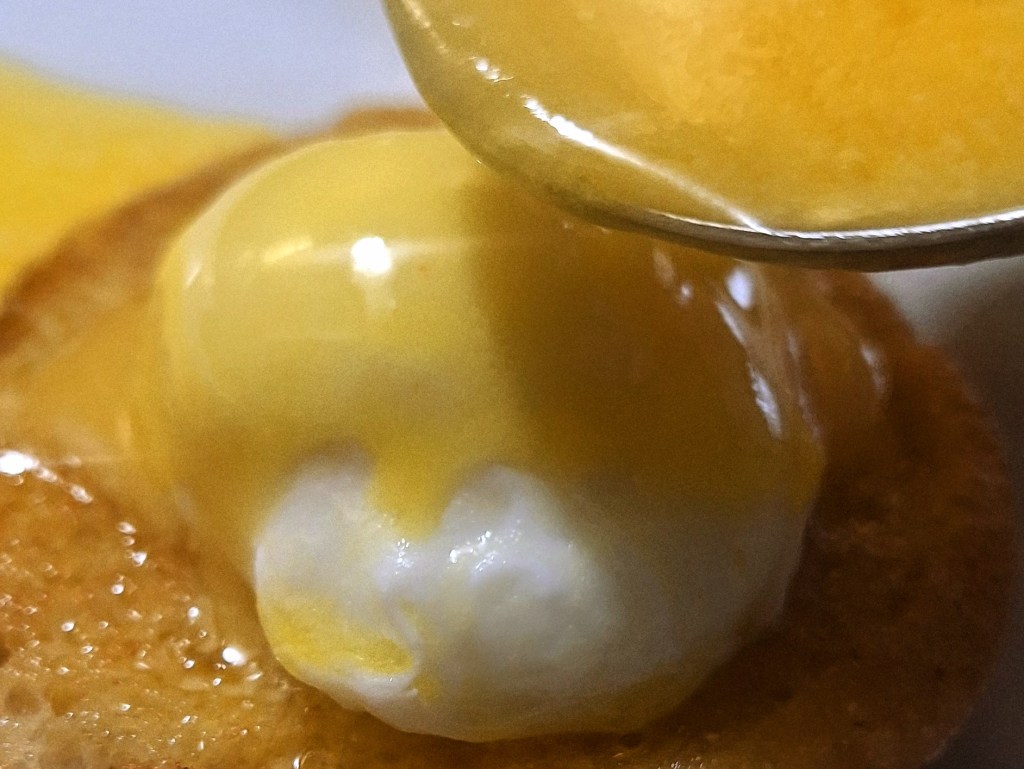
    Cannabis-Infused Hollandaise Sauce

    This is one of those grown-up recipes everyone should know how to make. It is inspired by Ratio: The Simple Codes Behind the Craft of Everyday Cooking by the brilliant culinary communicator Michael Ruhlman. This is one of the most influential books in my kitchen library and should be in yours. This is a text we will return to often…yes. Yes I have a kitchen library. Don’t you?

    This cannabis-infused Hollandaise sauce follows the classic 6:1:1 ratio  – six parts butter, one part egg yolk, and one part liquid. The key is a gentle emulsification to create a rich, velvety sauce. We’ll infuse clarified butter with cannabis before incorporating it into the emulsion.

    Ingredients

    • ¾ cup (170 g) cannabis-infused clarified butter (recipe below)
    • 3 large egg yolks
    • 2 tbsp lemon juice (or white wine vinegar)
    • 1 tbsp water
    • ¼ tsp salt
    • ¼ tsp cayenne pepper (optional)

    For the Cannabis-Infused Clarified Butter

    1. Decarboxylation: Preheat your oven to 240 F (115 C). Grind 3.5 g (⅛ oz) of dried cannabis flower and spread it evenly on a parchment-lined baking sheet. Bake for 30-40 minutes, shaking occasionally.
    2. Infusion: Melt 1 cup (225 g) of unsalted butter over low heat. Add the decarbed cannabis and simmer for 45-60 minutes, keeping the temperature below 200 F (93 C). Strain through a fine mesh strainer or cheesecloth.

    Hollandaise Sauce Instructions

    1. Prepare a Double Boiler:
      • Bring a few inches of water to a simmer in a pot. Place a heatproof bowl over the pot, ensuring the bottom doesn’t touch the water.
    2. Whisk the Yolks:
      • In the bowl, whisk together the egg yolks, lemon juice, and water. Whisk constantly over gentle heat until the mixture thickens and forms ribbons when lifted.
    3. Emulsify the Butter:
      • Remove the bowl from heat and slowly drizzle in the warm cannabis-infused clarified butter, whisking vigorously to create an emulsion. If the sauce becomes too thick, add a few drops of warm water to adjust consistency.
    4. Season and Serve:
      • Stir in salt and cayenne pepper. Serve immediately over eggs Benedict, asparagus, or grilled fish.

    Tips for Success

    • Temperature Control: Keep the heat low and whisk continuously to prevent the yolks from scrambling.
    • Fixing a Broken Sauce: If the sauce separates, whisk a teaspoon of warm water into it slowly or start fresh with a new egg yolk and slowly add the broken sauce.
    • Dosage Consideration: The potency depends on the strain and amount of cannabis used. Start with a small serving to assess effects.

    This rich, buttery Hollandaise sauce elevates any dish while delivering a smooth, controlled cannabis experience. Enjoy responsibly!

    The Art of Elevating Your Menu

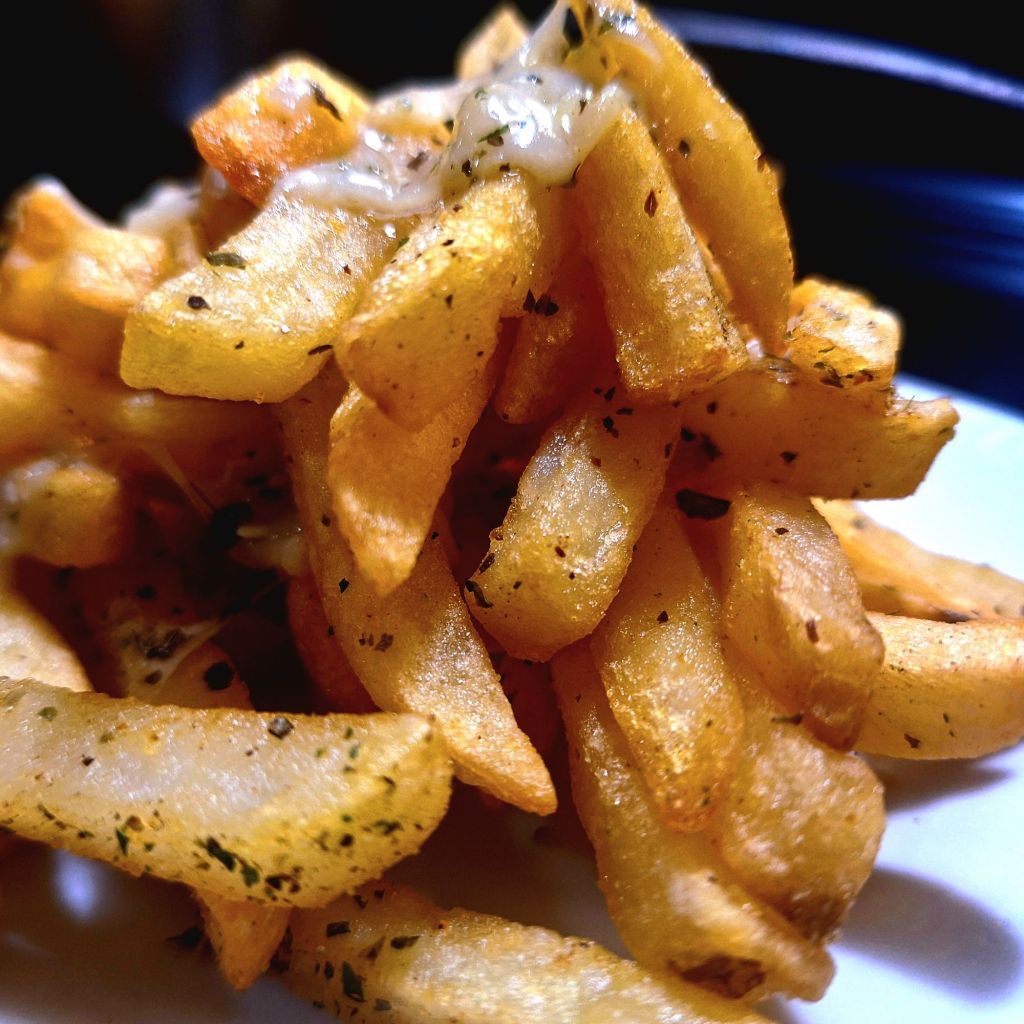
  • Truffle Parmesan Fries with Cannabis Olive Oil

    Truffle Parmesan Fries with Cannabis Olive Oil

    There is more to edibles than gummies, brownies, and butter. Oh my dear reader, the gastronomic misadventures we will have…

    Right. So, the truffle oil makes it all high-class and edgy and stuff. Really, the carbs are a bigger worry than the THC…oh! You know what!? Poutine! This would make an awesome poutine! Fries with cheese curds and gravy? For now, just do the fries.

    Ingredients
    1 lb (450 g) russet potatoes, cut into fries
    2 tbsp (30 mL) cannabis-infused olive oil
    1 tbsp (15 mL) truffle oil
    ¼ cup (60 mL) grated Parmesan
    ½ tsp (2.5 mL) sea salt or Kosher salt (you want coarse and gritty salt with big crystals)
    ½ tsp (2.5 mL) black pepper
    1 tbsp (15 mL) chopped parsley


    Instructions
    Preheat oven to 425 F (220 C). Line a baking sheet with parchment paper.
    Toss fries with cannabis olive oil, salt and pepper. Spread in a single layer.
    Bake for 30–35 minutes, flipping halfway, until golden and crispy.
    Remove from oven, drizzle with truffle oil and sprinkle with Parmesan and parsley.
    Serve immediately.


    Chef Notes
    If you’re going to use a knife, cut the fries batonnet, sticks about ½ inch × ½ inch × 2½-3 inches. Alternatively, you can use a mandolin or a fry punch.
    Pro tip: Blanch the fries first! Blanch by immersion in boiling water for a few minutes, then shock them immediately in an ice bath. They’ll cook better. Trust me.