Author: Bud the Editor

  • Why Your Gummies Are Sweaty, Sticky, or Greasy — and How to Cure It

    Why Your Gummies Are Sweaty, Sticky, or Greasy — and How to Cure It

    Hydrocolloids, specifically gummies, are a great way to medicate and get started in making lifted edibles and in these parts are considered staples.

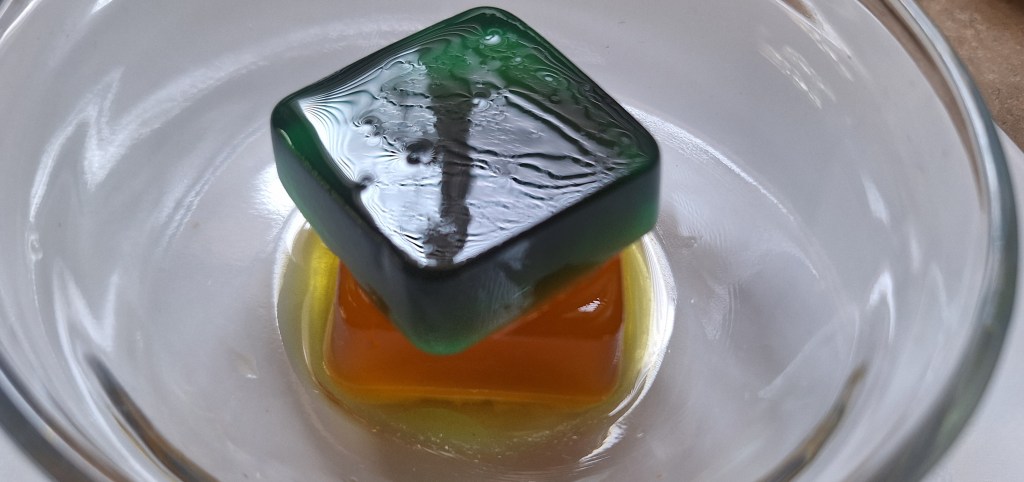
    Imagine my surprise when I tucked into the ziploc for a wee treat and could barely get a grip with two fingers and thumbs because they were slick from a noticeable coating of oil. 

    Turns out I may not have cured my confections correctly. 

    If your MCT oil–based gummies are coming out sticky, sweaty, or greasy, don’t panic — it’s a common issue that usually comes down to moisture management and formulation balance. Even for home-made gummies, dialing in your curing and storage process is key to producing confections with a clean, dry finish and long shelf life.

    What’s Going On?

    Sticky or greasy gummies are almost always reacting to moisture in some way — either from the environment or from ingredients that weren’t fully set during curing. Here are the main contributors:

    Humidity: Gummies are hygroscopic, meaning they absorb moisture from the air. If your curing or storage area is too humid, they’ll start to feel tacky or oily.

    Incomplete Curing: If gummies haven’t dried out properly after molding, residual water and oil can migrate to the surface and cause sweating.

    Sugars: High levels of reducing sugars (like glucose or fructose) can lead to stickiness, especially under humid conditions. My standard recipe calls for a quarter cup (60 ml) of honey, which is high in fructose.

    Humectants: Ingredients like glycerin and sorbitol hold onto water — great for softness, but risky for shelf stability if overused. In this case, I’ve been using a liquid soy lecithin somewhat indiscriminately. May have to switch to a powdered version. 

    Poor Storage: Even a well-cured gummy can go soft again if stored in humid conditions or in packaging that doesn’t fully seal out air.

    Lecithin and Humidity – What You Should Know

    Liquid soy lecithin is a common emulsifier in cannabis gummies, helping bind water- and oil-based ingredients together (especially if you’re infusing with MCT oil). But it also has a tendency to attract and hold moisture. In high-humidity environments, lecithin can absorb ambient moisture, which contributes to surface tackiness and unstable texture.

    If you’re working with liquid lecithin in a damp kitchen or during a rainy spell, expect a longer curing time. You may also want to reduce the lecithin slightly or switch to a powdered lecithin, which tends to be a bit less hygroscopic.

    Cannabis-Specific Curing Considerations

    Infused gummies need special care because of the active ingredients. THC and other cannabinoids can degrade with heat, light, and oxygen, so while curing is important, don’t cure them in hot or brightly lit spaces.

    MCT oil can also “sweat” out of a gummy if the emulsion breaks down — often due to temperature shifts or moisture imbalance. If you see oil beading on the surface, the emulsion may need fine-tuning (or a lecithin adjustment).

    Proper curing helps stabilize potency, ensuring cannabinoids are evenly distributed and not lost to sweating or surface stickiness.

    How to Fix It

    Here’s how to keep your gummies firm, dry, and shelf-stable.

    Cure Smart: Let gummies cure uncovered at room temperature (~70°F / 21°C) with humidity between 30–35 per cent. Depending on the recipe and ambient moisture, curing may take 24–72 hours. 

    Avoid Refrigeration (Mostly): A fridge can create condensation unless it’s humidity-controlled. Stick with a dry pantry or curing rack in a closed room with a dehumidifier if needed.

    Use the Right Packaging: Go for airtight, moisture-resistant containers. Heat-sealed mylar bags or food-safe jars with desiccant packs are ideal.

    Refine the Formula: If stickiness continues, reduce humectants, slightly lower your sugar content, or switch from liquid to powdered lecithin.

    Want more cannabis kitchen tips? Explore infusion techniques, ingredient ratios, and shelf-stability strategies at cookingwithcannabis.ca — the art of elevating your menu.
  • Greek-Style Stuffed Bell Peppers

    Greek-Style Stuffed Bell Peppers

    Approx. 5 mg THC per whole pepper (low dose)

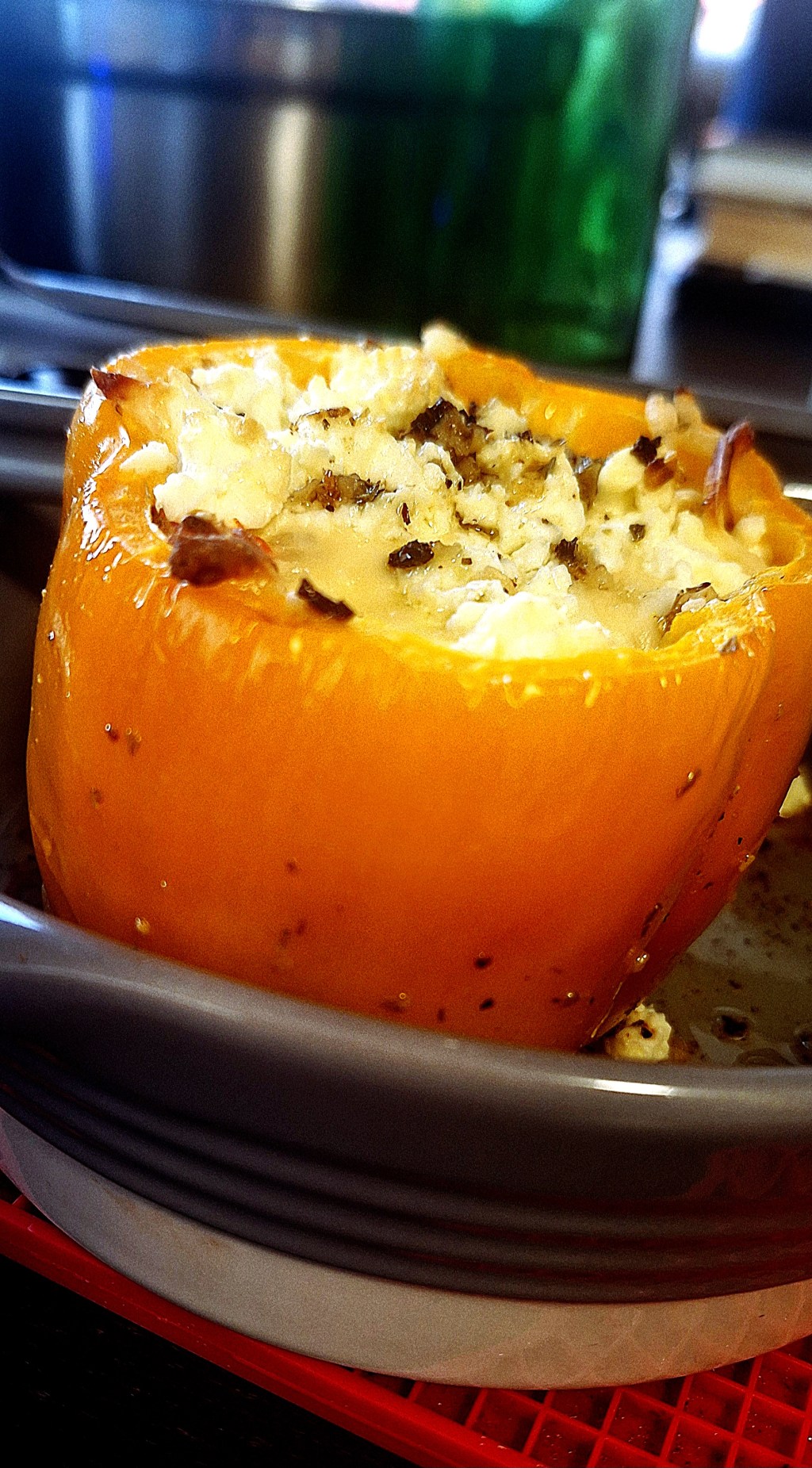
    These roasted bell peppers are bursting with savoury Greek flavours and finished with a cannabis-infused olive oil glaze for a relaxing twist. Ideal as a main or hearty side, this vegetarian-friendly dish layers textures and bright Mediterranean notes.

    Ingredients
    4 large bell peppers, tops cut off and seeded
    1 cup (250 mL) cooked long grain rice
    1 small onion, finely chopped
    1 small red pepper, finely chopped
    1/2 tsp (2 mL) dried oregano
    1/2 tsp (2 mL) dried basil
    1/2 tsp (2 mL) garlic powder
    Salt and pepper to taste
    1/2 cup (125 mL) crumbled feta cheese
    1/2 cup (125 mL) shredded mozzarella
    2 tsp (10 mL) cannabis-infused olive oil (20 mg THC total)
    1 tbsp (15 mL) plain olive oil

    Method
    Preheat oven to 375°F (190°C). In a mixing bowl, combine cooked rice, onion, red pepper, oregano, basil, garlic powder, salt and pepper. Stir in half the feta and mozzarella.
    Fill each bell pepper with rice mixture, pressing down lightly. Top with remaining cheese. Mix cannabis-infused olive oil with plain olive oil. Brush the exterior of each pepper and inside of the lid with oil mixture. Replace tops if desired.
    Place peppers upright in a baking dish. Add a splash of water to the bottom and cover loosely with foil. Roast 30 minutes, uncover, then bake another 15 minutes until tender and golden.

    Dosing note: Using 2 tsp infused oil across 4 peppers yields 5 mg THC per pepper. Adjust oil volume to meet your desired potency.

    Consume cannabis responsibly. Do not get lifted and drive or operate heavy machinery. Respect the cannabis laws of your jurisdiction. Be nice to each other.

  • Crème caramel

    Crème caramel

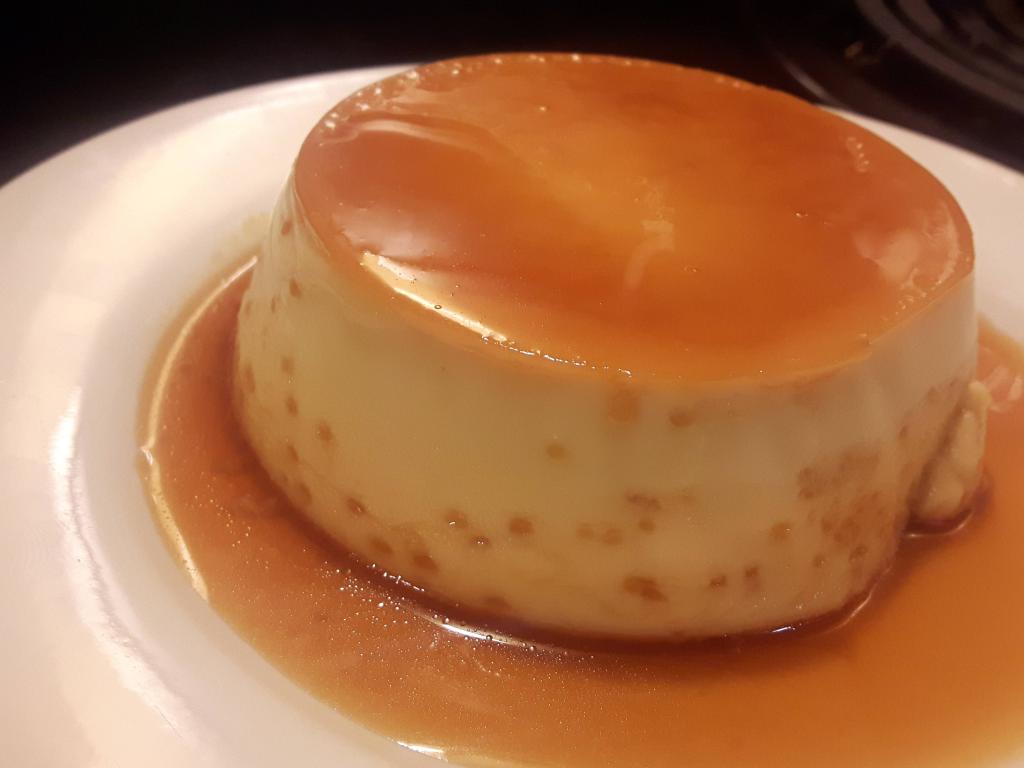
    Crème caramel is a classic custard dessert featuring a silky texture and a rich caramel topping. It should also be one of the first grown-up desserts you learn to make. Following the culinary ratios presented in Michael Ruhlman’s Ratio*, the key to a perfect crème caramel is the custard ratio: 2 parts liquid to 1 part egg. Infusing cannabis into this recipe requires incorporating a fat-based infusion, such as cannabis-infused cream or milk. So, sugar and THC. Hold on to your spoons…

    Ingredients

    Caramel
    1 cup (200 g) granulated sugar
    1/4 cup (60 mL) water

    Custard
    2 cups (480 mL) cannabis-infused heavy cream or whole milk
    4 large eggs
    1/2 cup (100 g) granulated sugar
    1 tsp (5 mL) vanilla extract
    Pinch of salt

    Instructions
    1. Prepare the caramel. In a saucepan over medium heat, combine sugar and water. Cook without stirring until the mixture turns a deep amber colour, about 10 minutes. Quickly pour into ramekins, swirling to coat the bottom.
    2. Prepare the custard. In a saucepan, heat cannabis-infused cream until steaming but not boiling. Remember to match your heat to your terpenes. In a separate bowl, whisk eggs, sugar, vanilla, and salt until smooth. Gradually whisk in the warm cream, tempering the eggs to avoid curdling.
    3. Bake. Strain the custard through a sieve into the caramel-lined ramekins. Place ramekins in a baking dish and pour in hot water to reach halfway up the sides. Bake at 325°F (160°C) for 35 to 40 minutes, until the custard is set but still slightly jiggly in the centre.
    4. Chill and serve. Cool to room temperature, then refrigerate for at least four hours. To serve, run a knife around the edges and invert onto plates, letting the caramel flow over the custard.

    Dosing Considerations
    Adjust the potency of your infusion based on personal tolerance. Always label cannabis-infused desserts clearly and keep them away from unintended consumers.


    How to Infuse Milk with Cannabis
    Cannabis-infused milk is a versatile ingredient for cooking, baking or enjoying on its own. The key to a successful infusion is gentle heat and time, allowing the cannabinoids to bind to the fat in the milk.

    Ingredients:

    2 cups (475 mL) whole milk (3.25% M.F.) or cream for a richer infusion
    1 gram decarboxylated cannabis, finely ground

    Instructions

    1. Decarboxylate the cannabis. Preheat the oven to 240°F (115°C). Spread the finely ground cannabis on a parchment-lined baking sheet and bake for 30 to 40 minutes, stirring occasionally. This activates the THC and CBD. Let cool.

    2. Heat the milk. In a saucepan over low heat, warm the milk until it reaches a gentle simmer (about 180°F or 82°C). Do not let it boil, as high heat can degrade cannabinoids.

    3. Infuse the cannabis. Stir the decarboxylated cannabis into the milk. Maintain a low simmer for 45 minutes, stirring occasionally to prevent scorching.

    4. Strain. Remove from heat and let cool slightly. Strain through a fine-mesh sieve or cheesecloth into a clean container, discarding the plant material.

    5. Store. Refrigerate in an airtight container for up to a week. Shake before use.

    Use infused milk in coffee, tea, smoothies, or recipes calling for milk. Dosage varies based on potency—start with a small amount and adjust accordingly.

    Notes
    *Ratio is perhaps the most important cookbook in my collection. I’d go so far to say it’s more an anti-cookbook, a Master Class in kitchen fundamentals most if not all of which lend themselves to a lifted menu.